
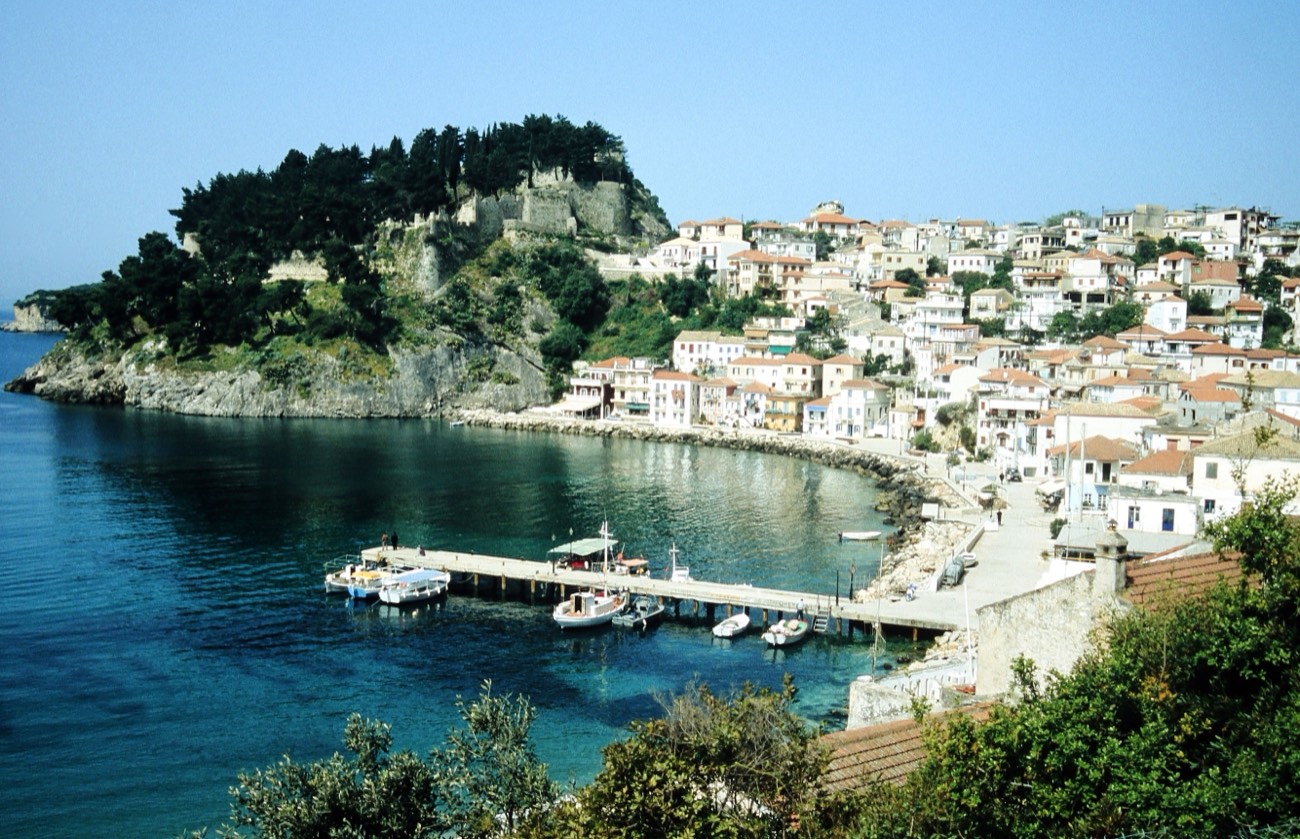
Parga changes character with the calendar more than most Greek coastal towns. The pastel houses tumbling down to the harbour, the Venetian castle on the headland and the pine-backed beaches either side of town are constants, but the feel of the place shifts enormously between a quiet February morning and a packed August evening. Knowing what each month brings makes it far easier to choose when to come — and what kind of holiday to expect once you're here.
Spring (April to May): wildflowers and a gentle start
Spring is when the hills around Parga are at their greenest, with wildflowers, especially around the Acheron valley and the road to Ammoudia, at their most abundant in April. Daytime temperatures are mild, typically in the high teens to mid-twenties Celsius, and the countryside is lush after the winter rains rather than parched. The sea is still cool for most people's taste at this point, generally not warming past the high teens until later in the season, so this is a season for walking, sightseeing and long lunches rather than swimming.
Greek Orthodox Easter usually falls somewhere in April, occasionally slipping into early May, and the date moves each year. It brings a noticeable rise in domestic visitors as Greek families travel for the holiday, so towns can feel busier for that week even though the wider tourist season hasn't started. Outside of that, spring is one of the calmer times to visit, with accommodation easier to find and prices generally lower than in summer.
Early summer (June): the sweet spot
June is widely considered one of the best months to visit. The sea has usually warmed enough for comfortable swimming by mid-month, days are reliably sunny with little rain, and the crowds of high summer haven't yet arrived. Day-trip boats to Paxos and Antipaxos, and the smaller caiques that potter along the coast to nearby beaches, are running a full seasonal timetable, but without the queues and packed decks of July and August. It's an excellent month for anyone who wants beach weather with breathing room.
High summer (July and August): peak heat, peak energy
July and August are Parga at full volume. Daytime temperatures regularly reach the high twenties and low thirties, rainfall is minimal, and the sea sits at its warmest, typically around 25–26°C by August. This is unquestionably the best time for committed beach lovers: warm water, long daylight hours and every beach bar, sunbed operator and boat trip fully operational.
It's also the busiest period by some distance. The harbourfront and the main beaches fill up, restaurants and cafés need booking or patience at peak times, and popular boat excursions can sell out, so it's worth arranging these a day or two ahead rather than turning up on the morning. Those who dislike heat or crowds may prefer to bookend the season rather than aim for the very peak.
Autumn (September and October): the quiet favourite
Many regular visitors rate September as the best month of all, and it's easy to see why. The sea retains its summer warmth well into autumn, since water is slow to cool, while the crowds thin noticeably once the school summer holidays end across Europe. Daytime temperatures ease gradually from the high twenties in early September to the low-to-mid twenties by October, and the light takes on a softer, golden quality that suits both the beaches and the old town's stone lanes.
October brings a higher chance of a passing shower and cooler evenings, but plenty of settled, warm days remain, and swimming is still very pleasant for most of the month. Boat trips and other outdoor activities generally keep running, though on a reduced schedule compared with summer.
Winter (November to March): the quiet, local Parga
Winter is a different town altogether. Rainfall picks up sharply, with November and December typically the wettest months of the year, and daytime temperatures settle into the low-to-mid teens, dropping further overnight. Most seasonal restaurants, cafés and tourist-facing businesses close for the winter, sunbeds and beach facilities disappear, and the harbour empties of boats offering day trips.
What's left is a genuinely local place: a small, close-knit community with its own clubs, dance groups and football teams, going about ordinary life against a backdrop most visitors only ever see crowded. For travellers who prize solitude, low prices and an unvarnished sense of a real Greek town over sunbathing, a winter visit has its own quiet appeal, though it suits independent, flexible travellers more than those wanting a classic beach holiday, and a hire car is useful since services are thin on the ground.
Good to know
- Best all-round balance: late May, June or September, when the sea is warm and crowds are manageable.
- Best for guaranteed beach weather: July and August, accepting higher prices and busier beaches.
- Swimming season: broadly May to October, with the sea usually warm enough for most swimmers from June onward.
- Quietest months: December to February, when many businesses close and the town reverts to local rhythms.
- Book ahead: in peak summer, reserve popular boat trips and restaurant tables in advance rather than relying on availability on the day.
- Pack for rain: if visiting between November and March, since this is when most of the year's rainfall arrives.